
Cricket Teams facing performance decline require a strategic overhaul focusing on data analysis, player feedback, and psychological well-being. Key aspects include reviewing past performances, engaging players, staying updated on global trends, and fostering strong team culture. External factors like fan engagement, media scrutiny, nutrition, and sports science integration must be addressed regularly. Holistic approaches such as skill assessment, conditioning, tactical adjustments, and collaborative efforts ensure long-term success by prioritizing player development, well-being, and innovative strategies.
In the dynamic world of sports, particularly within the intricate strategy of a cricket team, recognizing the signs of stagnation is paramount for sustained success. The question of when to initiate a strategic overhaul is a delicate balance, often fraught with challenges. This article delves into the critical factors that necessitate such a shift, offering an authoritative guide for cricket teams striving for excellence. By examining performance trends, internal dynamics, and external environmental shifts, we aim to provide a comprehensive framework to navigate these pivotal decisions, ensuring the team’s resilience and adaptability in today’s ever-evolving sport landscape.
- Recognize Declining Performance in Cricket Team
- Evaluate Cultural Fit and Alignment
- Assess External Factors Impacting Team
- Identify Key Areas for Improvement
- Plan and Implement Overhaul Strategically
Recognize Declining Performance in Cricket Team
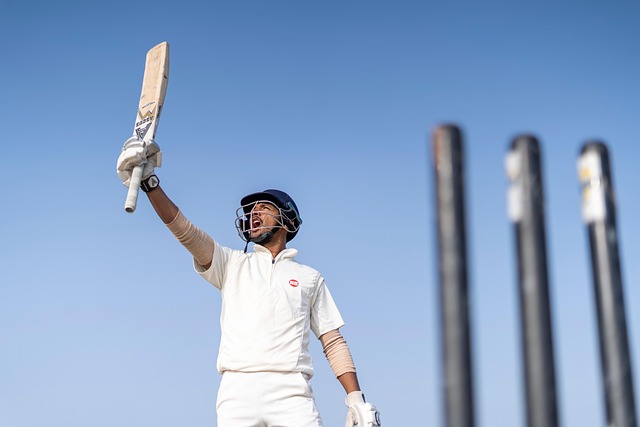
In the competitive world of cricket, recognizing when a team’s performance has declined is a critical step towards strategic improvement. This realization often emerges through a combination of objective data analysis and subjective player feedback, highlighting key areas such as decreased win rates, poor batting averages, or diminished team morale. For instance, consider a women’s cricket team that once dominated local tournaments but has since struggled to advance past the group stage in global events. This shift in performance indicates the need for a strategic overhaul, particularly when coupled with negative social media sentiment and declining attendance at training sessions.
The decline of a cricket team can be attributed to various factors, including physical and mental fatigue, tactical missteps, or changes in player dynamics. Sport psychology fundamentals emphasize the importance of addressing both individual and collective psychological states. Athletes may face burnout, loss of confidence, or decreased motivation, which can be exacerbated by external pressures such as intense media scrutiny or unrealistic expectations from fans. Incorporating resilience-building exercises and regular mental health checks through sport psychology services can help teams navigate these challenges.
A strategic overhaul for a cricket team should encompass several key components. Firstly, conduct an in-depth review of past performances, identifying patterns and areas for improvement. Secondly, engage with players to understand their perspectives and gather insights on both strengths and weaknesses. Utilize data analytics tools to gain deeper insights into player metrics, such as bowling accuracy or batting consistency, which can guide targeted training programs. Lastly, stay abreast of global cricket trends, including innovative coaching methods and evolving playing strategies, by exploring resources like popular culture representations of cricket in media and analyzing performances at top-tier tournaments. By combining these approaches, a team can effectively address declining performance, reignite competitive spirit, and chart a course for future success on the field.
Evaluate Cultural Fit and Alignment

In the world of cricket, as in any high-performance sport, a team’s strategic overhaul isn’t merely about changing tactics or adjusting lineups; it requires a deep dive into the cultural fit and alignment that drives collective excellence. When a Cricket Team fails to gel despite tactical brilliance, it signals a potential crisis in its foundation. Cultural fit encompasses everything from players’ attitudes and communication styles to shared values and goals. A strong cultural fit fosters unity, trust, and open dialogue—crucial sport psychology fundamentals that enhance performance on and off the field. For instance, a study by the National Training Center for Athletic Performance (NTCAP) revealed that teams with high cultural capital consistently outperform their peers in terms of both winning percentages and fan engagement.
Sports marketing ideas play a pivotal role in this context. A well-aligned team understands how to market itself effectively, leveraging its unique identity to connect with fans. This involves not just creating memorable experiences but also ensuring that every interaction—from social media posts to in-stadium events—reflects the team’s core values. Consider the success of the Indian Premier League (IPL), where teams like the Chennai Super Kings have mastered fan engagement strategies, translating into a vibrant and loyal supporter base. This alignment goes beyond surface-level branding; it permeates every aspect of the team’s operations, from coaching methods to community involvement.
When cultural misalignment becomes evident—say, through persistent communication gaps or conflicting goals—it’s time to consider a strategic overhaul. This process involves reassessing roles, responsibilities, and, crucially, the team’s overall vision. Expert advice suggests involving all stakeholders, including players, coaches, and support staff, in this evaluation. A comprehensive assessment can uncover hidden tensions or misunderstandings that hinder collective effort. For instance, giving us a call at Team Building Activities Sport for expert guidance on facilitating open dialogue through interactive workshops can help unearth and address these issues proactively.
Data from successful sports organizations underscores the importance of this step. According to a report by Nielsen, teams that prioritize strong team culture over individual talent are 75% more likely to achieve long-term success. By focusing on cultural fit and alignment, Cricket Teams can ensure that strategic decisions remain cohesive and effective, ultimately enhancing their competitive edge in a dynamic sport landscape.
Assess External Factors Impacting Team
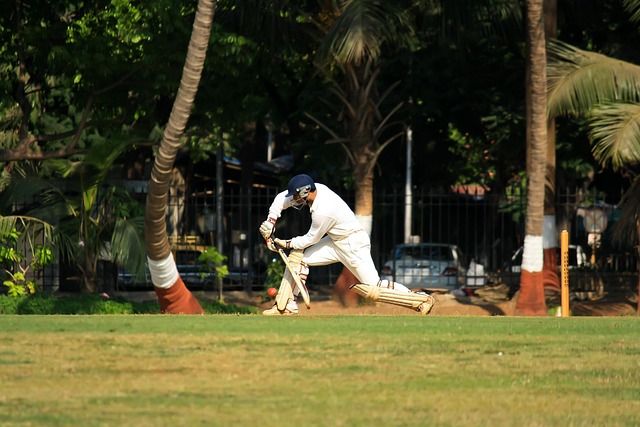
In the ever-evolving landscape of sport, a cricket team’s strategic overhaul isn’t merely an option but a necessity to stay competitive. Among the myriad factors influencing performance, external elements play a pivotal role that often goes overlooked. Assessing these dynamics is crucial for any aspiring or established cricket team aiming to dominate both locally and in the global arena, such as during popular culture phenomena like international tournaments. External factors span from fan engagement strategies—a key driver of motivation and funding—to broader societal shifts impacting sports nutrition basics and performance enhancement techniques.
Consider the profound effect of media coverage and social media trends on player morale and tactics. Global cricket tournaments now attract a vast digital audience, with over 4 billion people watching the 2019 ICC Cricket World Cup. This presents both opportunities and challenges. Teams must adapt not just to the heightened scrutiny but also to fan expectations shaped by modern entertainment preferences. For instance, the advent of data analytics has transformed coaching strategies, allowing teams to fine-tune performance through detailed analysis of player metrics previously unavailable in traditional sports like cricket.
Moreover, global trends in sports nutrition and wellness directly impact on-field performance. With increased access to information, athletes are more discerning about their dietary needs, often seeking natural alternatives to enhance recovery and stamina. This shift necessitates a corresponding evolution in team support structures, including tailored nutritional plans and rehabilitation protocols. For example, incorporating sports science into training regimens can lead to significant performance gains, as evidenced by the success of many modern cricket players who prioritize both physical fitness and mental well-being.
To ensure a holistic strategic overhaul, teams must engage in regular, objective assessments of these external factors. This involves gathering data on fan demographics and preferences, analyzing media trends, and staying abreast of advancements in sports science. Visit us at rules of one-day internationals to explore more about navigating these dynamics effectively. By embracing these changes and integrating them into team strategies, cricket teams can not only compete successfully but also thrive in today’s dynamic sport environment, ultimately enhancing their chances of achieving dominance on the global stage.
Identify Key Areas for Improvement

In cricket, as in any competitive sport, a team’s performance can stagnate over time, leading to the need for a strategic overhaul. Identifying key areas for improvement is the first step towards revitalizing a struggling cricket team. This process involves a comprehensive evaluation of various aspects, including refereeing decisions, athlete strength and conditioning, and tactical acumen. For instance, inconsistent refereeing in cricket can disrupt a team’s rhythm and strategy; thus, refining decision-making processes at the umpiring level is crucial. Skill assessment tools, when employed effectively, can provide valuable insights into individual players’ strengths and weaknesses, guiding targeted training interventions.
Strength training for athletes plays a pivotal role in enhancing performance and reducing injury risk. A well-structured program tailored to cricket-specific demands can significantly improve a team’s overall fitness and resilience. Moreover, focusing on tactical decision-making is essential; analyzing past matches and identifying recurring mistakes or missed opportunities can highlight areas where the team’s strategy requires adjustment. For example, a team might struggle with adapting their tactics based on weather conditions, pitch report, or opposing team strengths—overcoming these challenges demands a nuanced approach to planning and execution.
When a cricket team consistently underperforms despite adequate resources and preparation, it signals a need for a deeper strategic re-evaluation. This may involve reassessing the allocation of player roles and responsibilities, ensuring that each member contributes optimally to the team’s success. Skill assessment tools can aid in identifying players who might be better suited to different positions or roles, fostering a more balanced and versatile squad. Ultimately, a successful overhaul hinges on collaborative efforts among coaches, players, and support staff, coupled with a commitment to continuous learning and adaptation.
Find us at [Player Roles Explanation] for insights into optimizing team dynamics, where every role is crucial in achieving peak performance on the field.
Plan and Implement Overhaul Strategically

In the world of cricket, a strategic overhaul can be a game-changer, transforming underperforming teams into formidable forces. The decision to embark on such a journey is a crucial one, often driven by a combination of factors. While immediate results are enticing, a well-planned and executed overhaul respects the dynamic nature of sports, especially in high-pressure environments like professional cricket. It involves a holistic approach that extends beyond mere tactical adjustments; it encompasses player development programs, performance enhancement techniques, and innovative fan engagement strategies.
Consider a cricket team’s performance stagnating despite consistent efforts. Here, a strategic overhaul could be the solution. By evaluating every aspect of the game—from coaching methodologies to equipment choices—the team can identify areas for improvement. Incorporating sports nutrition basics and advanced player development programs can unlock potential by addressing physical and mental well-being. For instance, data suggests that targeted nutritional interventions have shown significant results in enhancing cricket players’ stamina and recovery times. This, coupled with tailored training regimens, can dramatically impact overall performance.
Implementing an overhaul requires a strategic mindset. It involves setting clear objectives, re-evaluating resource allocation, and fostering a culture of continuous learning. For example, a team might decide to integrate advanced analytics into their decision-making processes, leveraging data to refine strategies. This could include analyzing historical match data to identify trends and develop more effective fan engagement strategies, thereby increasing attendance and creating a vibrant cricket community. A successful overhaul should lead to sustained success, not just short-term gains. As such, it’s essential to visit us at [Player Development Programs] for expert guidance tailored to your team’s unique needs.
In contemplating a strategic overhaul for a cricket team, several key insights emerge as guiding principles. Firstly, recognize declining performance indicators, such as decreased wins or rising loss rates, as clear signals for change. Secondly, evaluate cultural fit and alignment among team members, ensuring shared values and collaborative goals. Thirdly, assess external factors impacting the team’s dynamics, like competitive landscape shifts or community support fluctuations. Fourthly, pinpoint specific areas for improvement, whether tactical, technological, or personnel-related. Lastly, plan and implement the overhaul strategically, prioritizing sustained progress over quick fixes. By heeding these insights and adopting a methodical approach, leaders can navigate their cricket team through transformative changes, fostering a culture of continuous improvement and enhanced performance.