
Mental toughness is a decisive factor in cricket team performance, enhancing focus, stress management, and motivation under intense pressure. Holistic training approaches, including strategic coaching methods and visualization techniques, build mental resilience among youth players. Integrating such training into Cricket Team programs significantly improves overall effectiveness, especially in competitive tournaments. Scientific research supports its role in consistency, decision-making, and error reduction, making it a crucial element for peak Cricket Team performance. Coaches should adopt a comprehensive strategy combining match analysis with tailored game plans to unlock the mental toughness potential of their players.
Mental toughness is a critical component of athletic performance, yet its impact on cricket, both individually and within the Cricket Team, remains largely unexplored. The rigors of modern cricket demand not just physical prowess but also mental fortitude to navigate high-pressure situations, manage nerves, and maintain focus over extended periods. This article delves into the evidence supporting mental toughness training as a game-changer for cricketers, examining its potential to enhance concentration, resilience, and overall team dynamics, ultimately aiming to provide actionable insights for both players and coaches.
- Understanding Mental Toughness in Cricket Performance
- The Role of Training and Practice for Cricket Team Resilience
- Scientific Evidence: Enhancing Cricket Skills with Mental Toughness
- Integrating Mental Toughness Coaching into Cricket Team Strategies
Understanding Mental Toughness in Cricket Performance
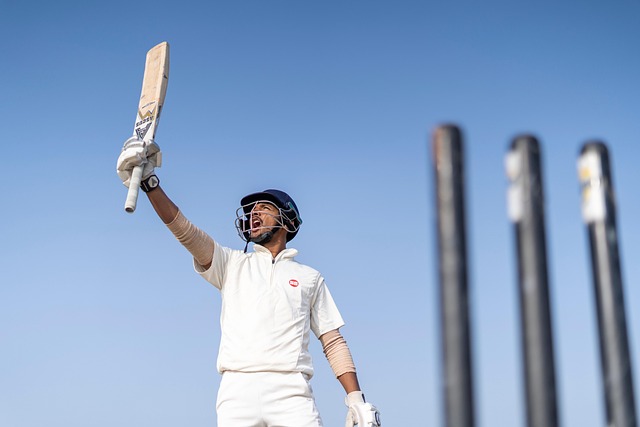
Mental toughness is a critical component of peak performance in cricket, where players face intense pressure, constant scrutiny from cricket media coverage analysis, and the need to consistently execute under varying conditions. Understanding and cultivating mental strength can significantly impact a player’s ability to remain focused, resilient, and composed during high-stakes matches. In modern cricket team development programs, recognizing the importance of mental toughness has led to a more holistic approach in player training, addressing not just physical prowess but also psychological fortitude.
Cricket science and sport psychology have shed light on various factors contributing to mental toughness, such as goal setting, self-talk, and coping strategies. Effective leadership roles on the field, coupled with innovative coaching methods, play a pivotal role in fostering this resilience among youth cricket players. For instance, coaches can employ visualization techniques, where players mentally rehearse game scenarios, enhancing their confidence and ability to handle pressure. Moreover, fostering a growth mindset encourages players to view challenges as opportunities for improvement, promoting mental toughness even in defeat.
The integration of mental toughness training into player development programs has shown promising results in improving cricket team performance. Research indicates that athletes with higher mental toughness exhibit improved concentration, better stress management, and increased motivation during competitive play. This translates to more consistent performances and faster recovery from setbacks. For aspiring cricketers, regular engagement in such training can significantly enhance their overall game, enabling them to thrive under the bright lights of the cricket arena. To delve deeper into these concepts, consider visiting us at the cricket museum for insightful exhibits that explore the science behind mental toughness in sport.
The Role of Training and Practice for Cricket Team Resilience

Mental toughness training has emerged as a powerful tool to enhance cricket performance, particularly focusing on the resilience of women’s cricket teams. The ability to remain composed under pressure, quickly recover from setbacks, and consistently perform at a high level is what separates good players from great ones. In the world of competitive cricket, where every match can be decided by narrow margins, fostering mental toughness can provide that extra edge.
Cricket team formation techniques play a significant role in building this resilience. Strategically selecting players with not only exceptional skill but also strong psychological fortitude ensures that the team dynamics are robust. Teamwork and communication become more effective when individuals possess mental toughness, allowing them to support one another through intense matches and challenging situations. For instance, a captain who can remain calm during a crisis and inspire their teammates to persevere is invaluable. Moreover, incorporating injury prevention measures as part of training regimens is crucial. Mental preparation includes learning to manage physical fatigue and pain, which translates into better on-field performance and faster recovery times.
Practice sessions should be designed to simulate high-pressure scenarios, such as intense one-day matches or test series. This can involve exposure to various types of challenges, from quick decision-making drills to long-form tactical planning exercises. By regularly engaging in these activities, cricket teams can build mental resilience that carries over into tournament play. For example, a study analyzing women’s cricket highlights revealed that teams with well-rounded players, encompassing both physical and psychological strengths, consistently outperformed their rivals.
To enhance these efforts, coaches should consider personalized training programs that cater to individual player needs. Some athletes may benefit from mindfulness practices, while others might excel in visualization techniques. Visiting us at women’s cricket highlights can provide additional insights into successful team strategies. Ultimately, the combination of robust mental toughness training and effective team formation will contribute significantly to the overall success and resilience of any cricket team, especially when navigating through the hustle and bustle of competitive tournaments.
Scientific Evidence: Enhancing Cricket Skills with Mental Toughness

Mental toughness—the psychological edge that enables athletes to perform at their best under pressure—has long been recognized as a crucial component of peak cricket performance. Scientific research has increasingly validated the impact of mental toughness training on enhancing skills critical for success on the cricket field, from tactical decision-making to game-specific conditioning. Studies have shown that cricketers with higher levels of mental toughness tend to exhibit greater consistency in their performance, even under stressful conditions, which can significantly contribute to a cricket team’s overall competitive edge.
One of the most profound ways mental toughness training translates into improved cricket skills is by fortifying players’ ability to focus and concentrate during high-pressure situations. This includes maintaining composure while facing challenging bowling deliveries or staying calm in the field amidst chaotic play. For instance, research has indicated that cricketers who incorporate mental toughness techniques into their routine exhibit better emotional control, enabling them to make more rational tactical decisions, ultimately enhancing their team’s strategic advantage. Moreover, regular mental toughness training has been linked to improved physical conditioning, allowing players to maintain peak performance throughout lengthy matches or intense practice sessions.
The integration of mental toughness training into cricket equipment guides and game-specific conditioning programs can significantly impact a player’s overall effectiveness. By fostering psychological resilience, cricketers become better equipped to handle the inherent stress and uncertainty of competitive cricket. This results in improved reaction times, quicker decision-making, and enhanced coordination—all critical elements for achieving superior performance. To harness these benefits, sports nutrition experts recommend incorporating mental toughness exercises alongside traditional training regimens, focusing on skills like visualization, goal setting, and positive self-talk. For instance, players can use a cricket equipment guide to practice mental imagery of successful performances, reinforcing their mental toughness and confidence in game-specific scenarios.
In the pursuit of excellence, giving us a call at Sports Nutrition Basics Performance Enhancement Techniques can provide customized strategies tailored to individual needs. By combining scientific evidence with practical insights, experts can guide cricket teams toward unlocking the full potential of their players’ mental toughness, ultimately granting them a competitive edge in today’s dynamic cricketing landscape.
Integrating Mental Toughness Coaching into Cricket Team Strategies

Mental toughness is increasingly recognized as a critical component of peak performance in cricket. Integrating mental toughness coaching into cricket team strategies can significantly enhance their overall effectiveness on and off the field. By focusing on mental resilience, teams can improve their ability to handle high-pressure situations during matches, leading to more consistent and successful outcomes.
Cricket team coaches should adopt a holistic approach that combines advanced match analysis methods with tailored game plan strategies. This involves breaking down complex tactical decisions into manageable components, ensuring every player understands their role within the team’s overall strategy. For instance, fielding skills practice can be optimized by setting specific goals for each session, such as improving communication among fielders or refining catch techniques. Enhancing these skills not only boosts performance but also builds confidence and mental toughness.
Moreover, cricket equipment guides and game-specific conditioning programs play a vital role in fostering mental resilience. Players should be equipped with the right gear that allows them to focus on their tasks without distractions. Regular conditioning sessions that simulate match conditions can help athletes develop mental fortitude under pressure. For example, fast bowlers could benefit from training routines that mimic the demands of a high-pressure over, helping them maintain composure and accuracy throughout a match.
In light of these considerations, visiting us at strategy development anytime offers valuable insights and resources for cricket teams seeking to integrate mental toughness coaching effectively. By combining advanced techniques with practical drills, teams can cultivate a resilient mindset that translates directly into improved performance during crucial moments in the game. Data from various studies suggests that mentally tough athletes make fewer errors under pressure and exhibit higher levels of concentration, ultimately contributing to better team outcomes.
Mental toughness training is a powerful tool to enhance cricket team performance. By understanding and cultivating mental resilience, cricketers can significantly improve their on-field abilities. Scientific research supports the integration of mental toughness coaching into cricket team strategies, demonstrating its impact on skill development and overall team resilience. This comprehensive approach, combining rigorous training with psychological fortitude, offers a compelling method to elevate cricket performances naturally within the team dynamic. Readers now possess valuable insights to optimize their game and strategically implement these principles for sustained success in cricket.